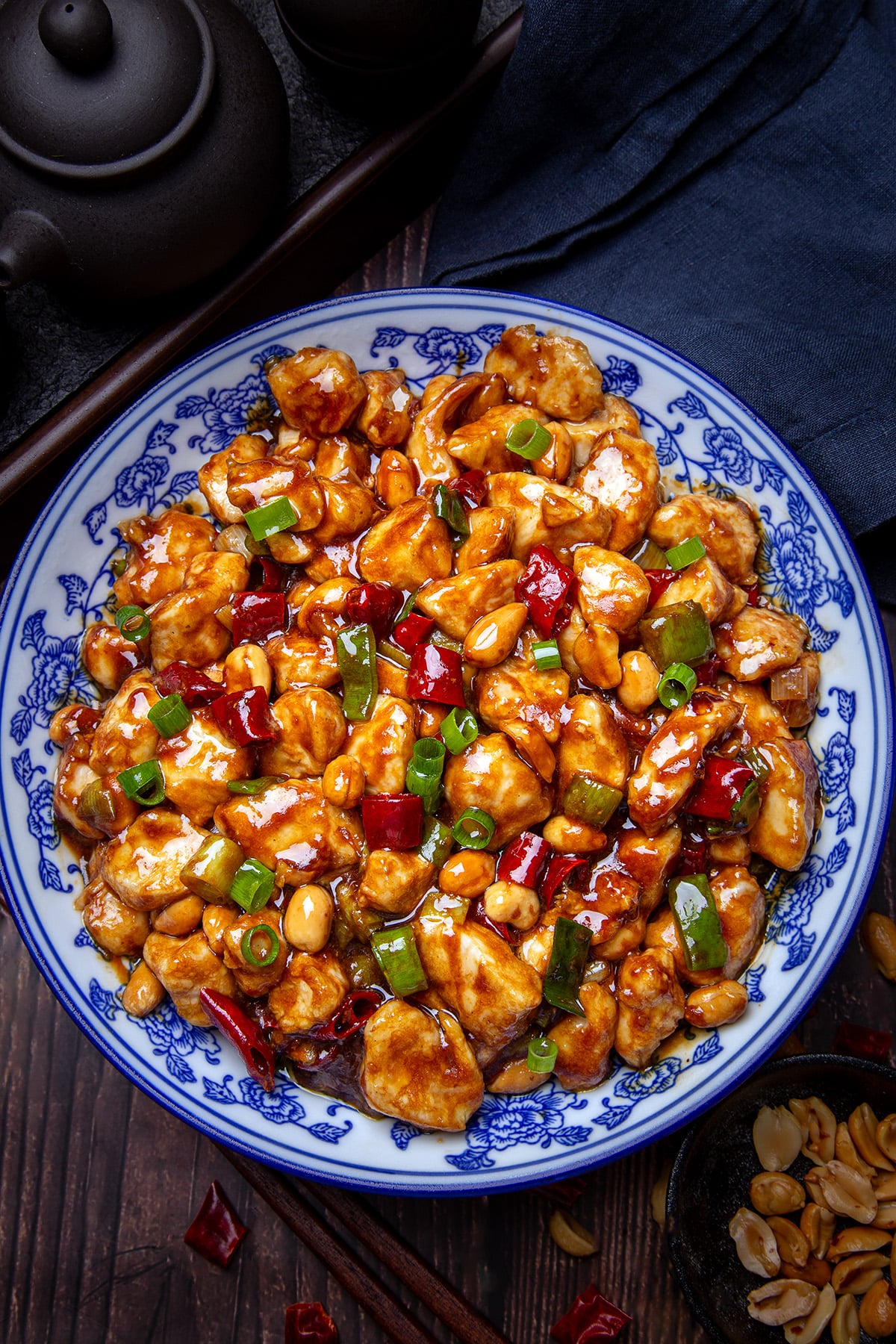
Make authentic Kung Pao chicken with tender chicken, a sweet & tangy sauce, and crunchy peanuts. Serve it over hot rice for a delicious homemade meal that’s better than takeout!
About This Kung Pao Chicken Recipe
Kung Pao Chicken is one of the most famous Chinese dishes, but there are so many versions around the world. The recipe is often adapted to local tastes, from spicy to mild.
For me, a good Kung Pao chicken comes down to three things:
- Tender chicken: Marinated to keep the chicken tender and flavourful.
- Sweet and tangy sauce: A balanced sweet, sour and savoury sauce.
- Crunchy peanuts: For that signature crunch.
In this recipe, I outline the basic steps to make Kung Pao chicken right at home, plus simple variations to suit your taste.
How to Make Kung Pao Sauce
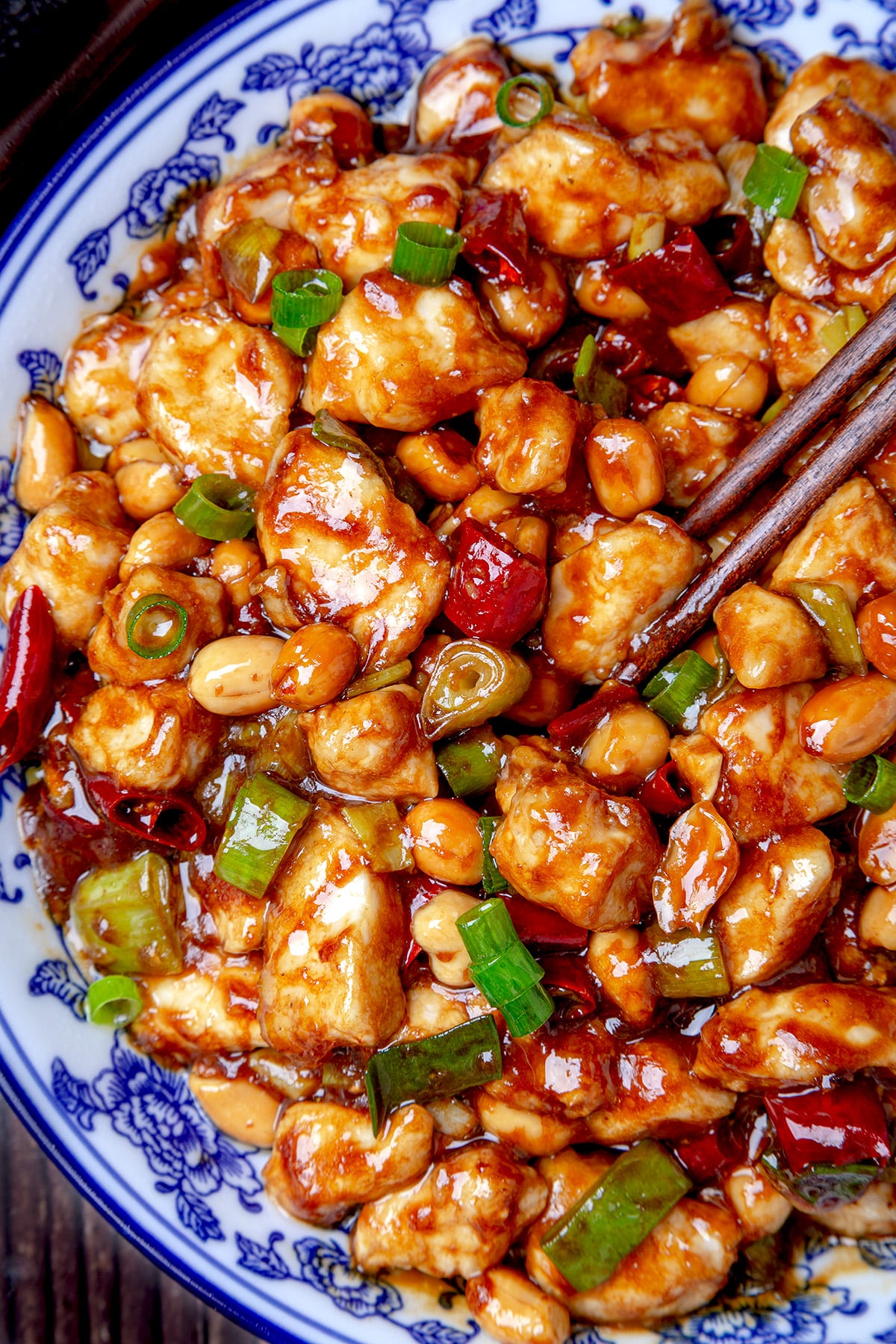
The key to a good Kung Pao sauce is getting the sweet, sour and savoury flavours into balance. I use a mild starting ratio in this recipe; you can add a little more sugar if you like it sweeter, or more vinegar for extra tang.
Kung Pao Sauce Ingredients
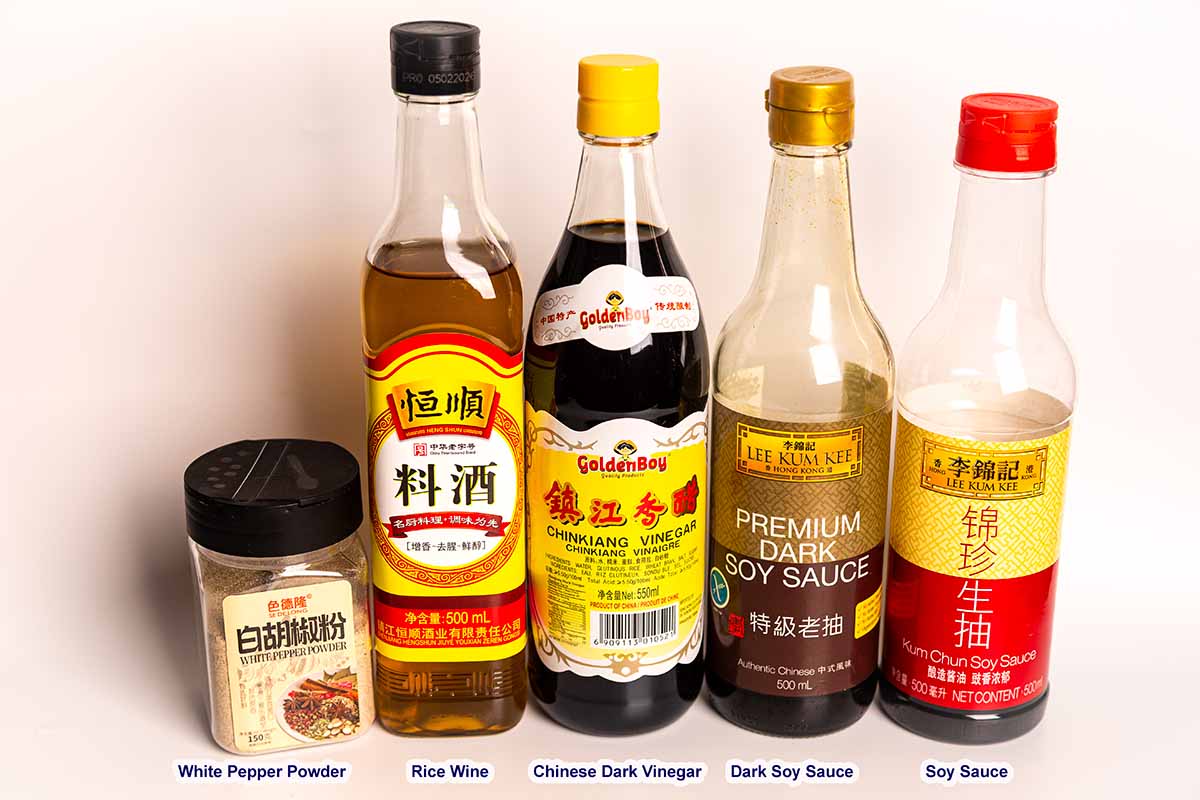
- Chinese black vinegar: 1 tablespoon (adjust to taste)
- Sugar: 1/2 tablespoon (adjust to taste)
- Soy sauce: 1 tablespoon
- Dark soy sauce: 1/2 tablespoon
- Rice wine: 1 tablespoon
- Cornstarch: 1 tablespoon
- Water: 1 tablespoon
Ingredients For Chinese Kung Pao Chicken
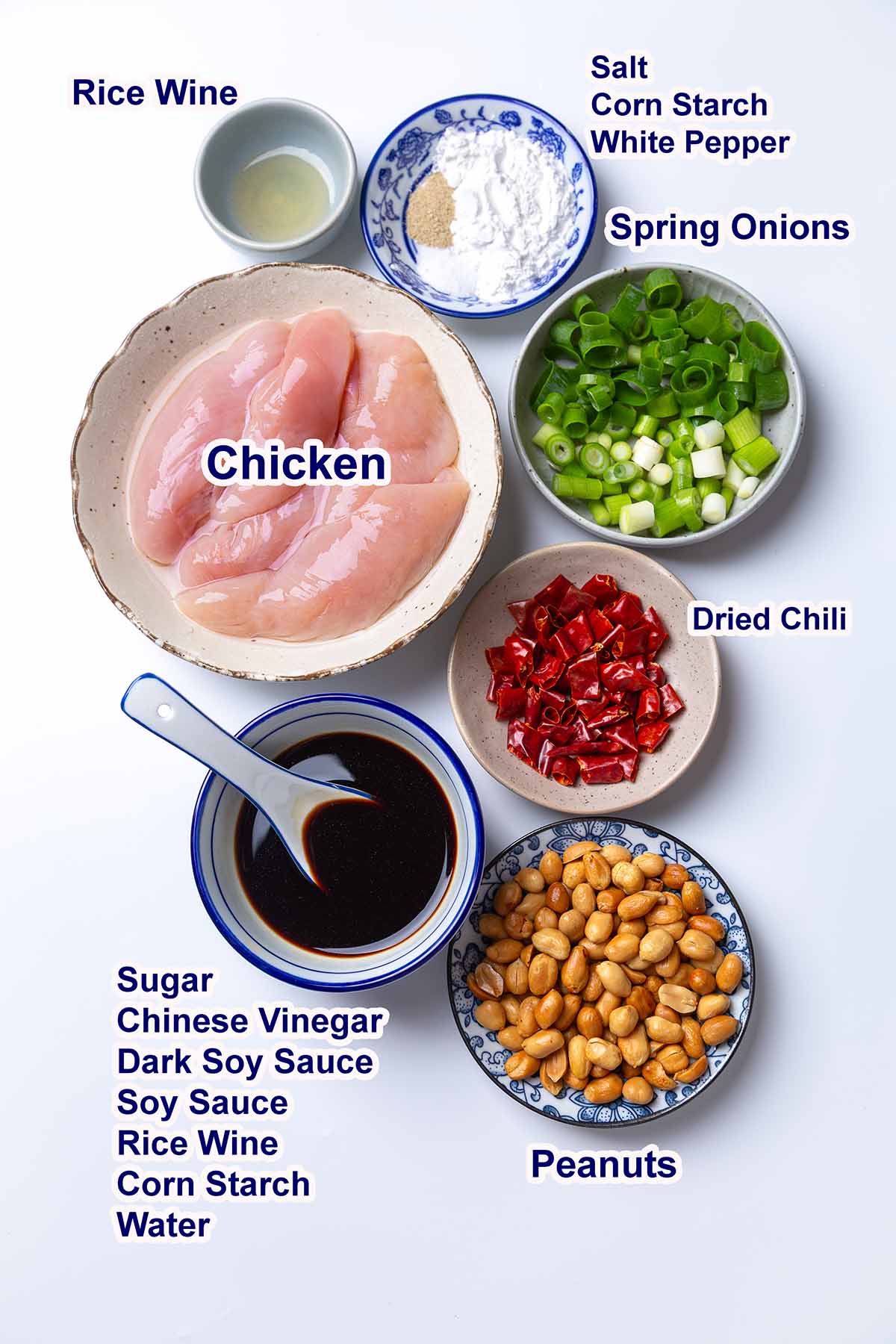
- Chicken: I recommend chicken tenders because they’re lean and juicy, followed by chicken thighs. Chicken breast works too, but I find it harder to keep juicy while making sure it’s fully cooked for food safety.
- Peanuts: In Chinese cooking, we often fry peanuts in oil because they taste better than oven-toasted ones. Use 2 tablespoons of oil per 250 g of peanuts. Remove the skins for a nicer presentation. You can make a big batch for snacks, and toasted peanuts, cashews or other nuts work too.
- Chinese Dark Vinegar: It adds a lovely malty tang to this recipe. Look for Zhenjiang vinegar, widely used in China. You can use balsamic vinegar instead, but it’s sweeter and milder.
- Spices: The traditional recipe uses dried chillies and Sichuan peppercorns to flavour the oil. The peppercorns are usually removed because they’re not pleasant to bite into. I leave them out because they add only a subtle flavour, but feel free to include them. You can also leave out the dried chillies if you prefer a milder dish.
- Veggies: I only use spring onions, but in some parts of China, people also add a little diced cucumber or bell pepper. The key is not to add too much – just enough for a bit of fresh crunch.
Instructions
Step 1: Preparation
- Peanuts: Fry 80 g of peanuts in 1 teaspoon of oil over medium heat until lightly golden. Set aside to cool. (Skip if using toasted peanuts.)
- Chicken: Add salt, white pepper, rice wine, cornstarch and water to the chicken. Mix well and marinate for 10-15 minutes.
- Sauce: Mix the soy sauce, dark soy sauce, vinegar, sugar, rice wine, cornstarch and water in a small bowl until well combined.
Step 2: Cook the chicken
- Heat 2 tablespoons of oil over medium heat. Add the chicken in a single layer and cook until the coating firms up on both sides.
- Add spring onions and cook with the chicken until the chicken is cooked through and lightly golden.
Step 3: Bring it all together
- Add the dried chillies and stir for 5-10 seconds to release their flavour. (optional)
- Pour in the sauce, stir well, and cook for about 1 minute until the sauce thickens and coats the chicken evenly.
- Add the fried peanuts, toss well and serve.
Cooking Tips
- Peanuts: If you fry the peanuts with oil, let them cool for about 30 minutes to an hour before cooking so they have time to turn crunchy.
- Non-stick pan: I recommend using a non-stick pan if you’re not used to cooking with a wok, since the cornstarch-coated chicken can stick easily.
- Timing: Get all your ingredients ready before you start cooking. This dish cooks quickly, so you’ll need everything within reach.
- Serving: Best eaten fresh rather than saved for leftovers, as the peanuts absorb the sauce and lose their crunch, while reheating can toughen the chicken.
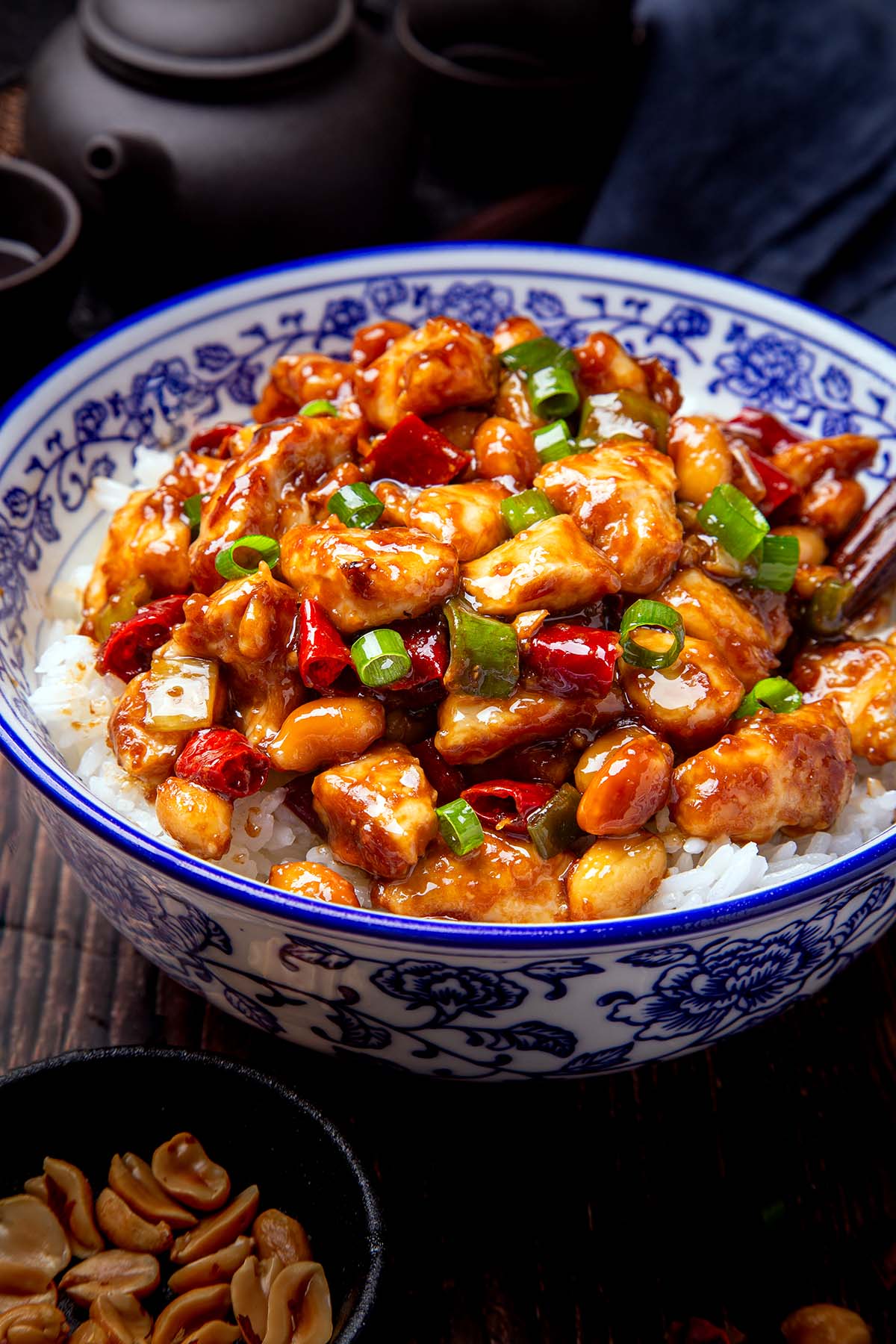
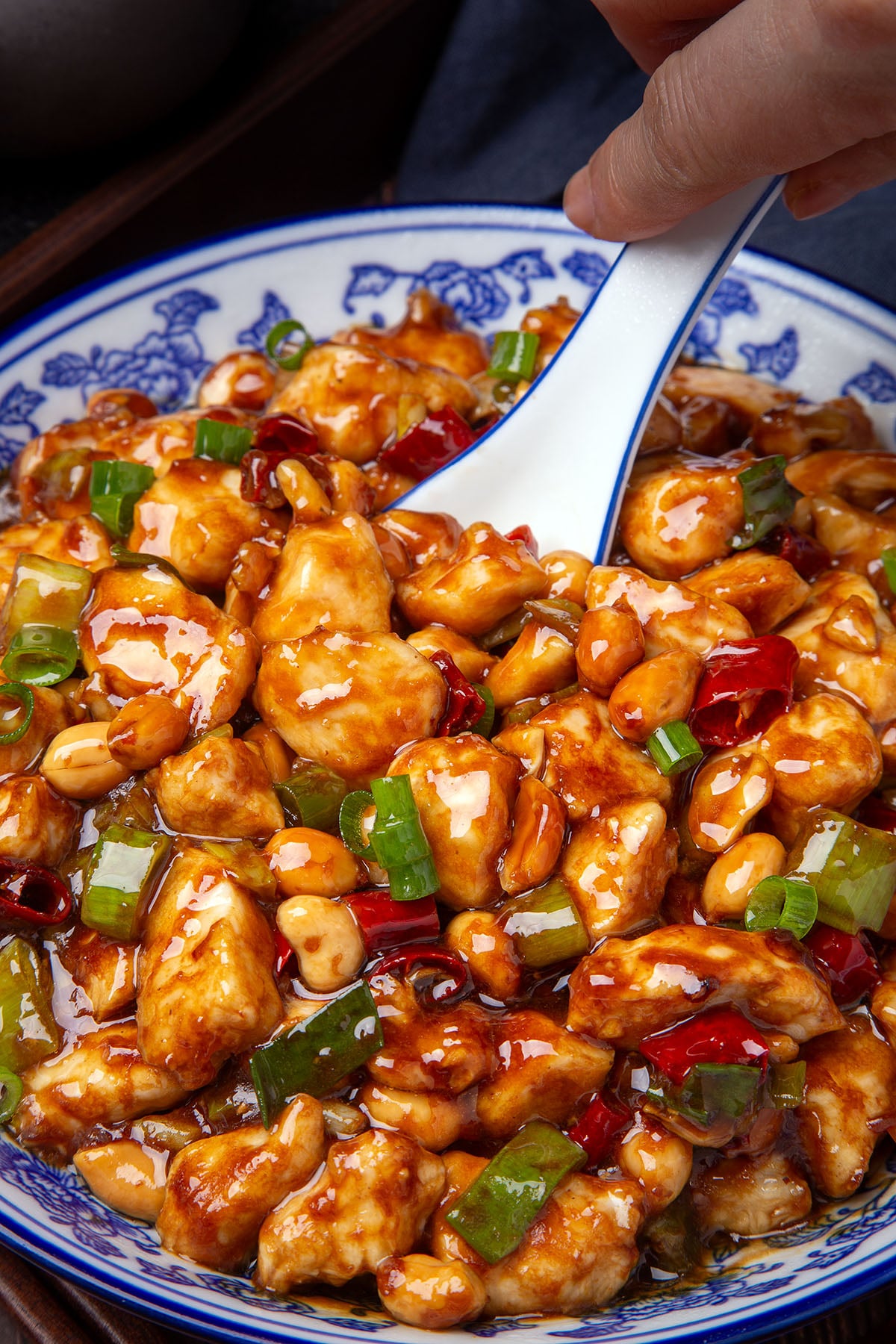
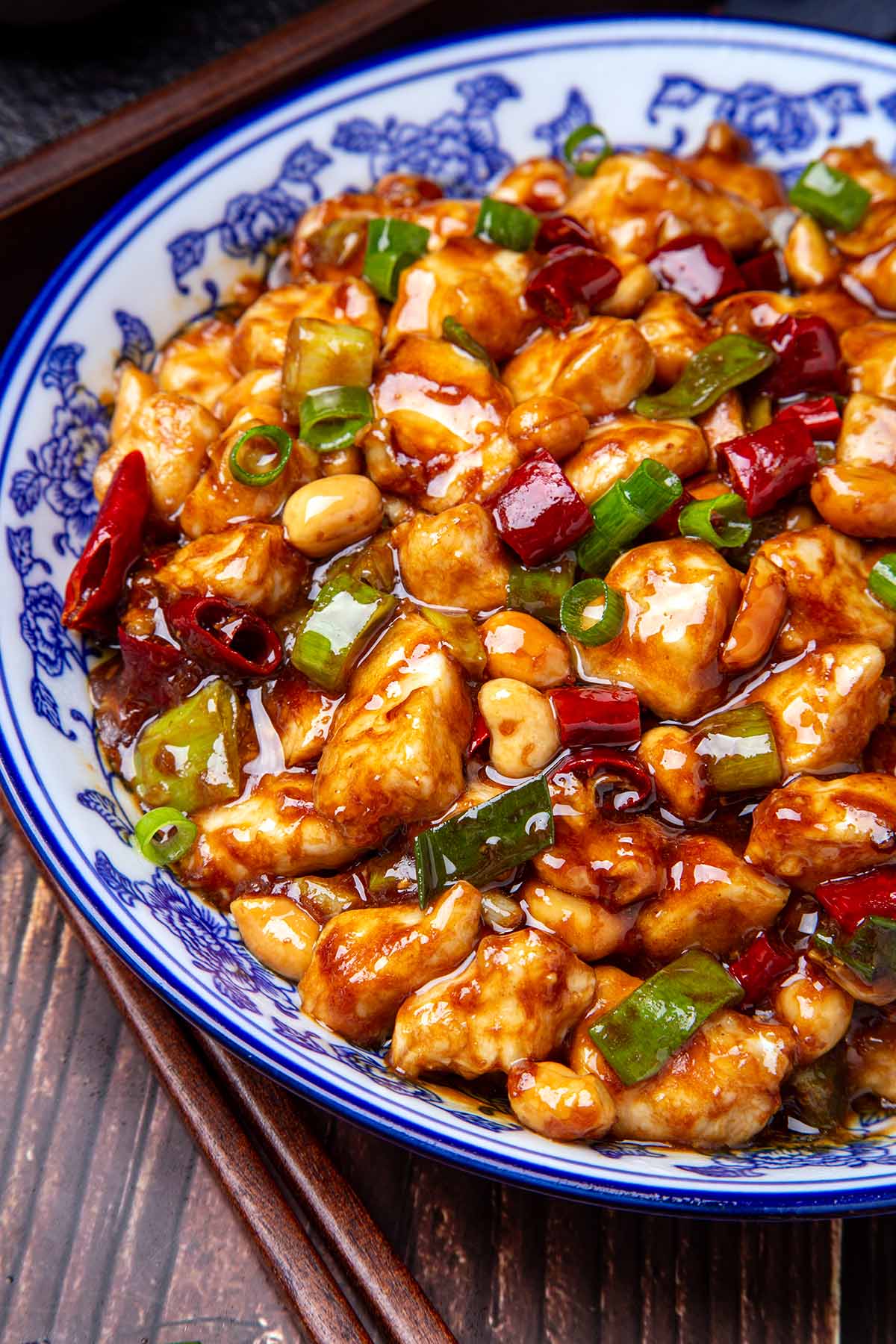
Spoon your Kung Pao chicken over a bowl of hot rice to soak up all that tasty sauce. ♨️
Enjoy this classic Chinese dish made fresh from your own kitchen! 😊
Chinese Kung Pao Chicken
Ingredients
- 300 g Chicken (cut into bite sizes)
- 2 tablespoon oil
- 1/2 cup spring onion (cut into 1cm pieces)
- 1/4 cup dried chili (optional)
- 80 g peanuts
For marinating the chicken
- 1 pinch salt
- 1/4 teaspoon white pepper powder (more or less to your liking)
- 1 teaspoon rice wine
- 2 tablespoon corn starch
- 1 tablespoon water
Kung Pao Sauce
- 1/2 tablespoon sugar (more or less to your liking)
- 1 tablespoon Chinese dark vinegar (more or less to your liking)
- 1 tablespoon soy sauce
- 1/2 tablespoon dark soy sauce
- 1 tablespoon rice wine
- 1 tablespoon corn starch
- 1 tablespoon water
Instructions
Preparation
- Peanuts: Fry 80 g of peanuts in 1 teaspoon of oil over medium heat until lightly golden. Set aside to cool. (Skip if using toasted peanuts.)
- Chicken: Add salt, white pepper, rice wine, cornstarch and water to the chicken. Mix well and marinate for 10-15 minutes.
- Sauce: Mix the soy sauce, dark soy sauce, vinegar, sugar, rice wine, cornstarch and water in a small bowl until well combined.
Cook the chicken
- Heat 2 tablespoons of oil over medium heat. Add the chicken in a single layer and cook until the coating firms up on both sides.
- Add spring onions and cook with the chicken until the chicken is cooked through and lightly golden.
Bring it all together
- Add the dried chillies and stir for 5-10 seconds to release their flavour. (optional)
- Pour in the sauce, stir well, and cook for about 1 minute until the sauce thickens and coats the chicken evenly.
- Add the fried peanuts, toss well and serve.
Recipe Notes:
- Chicken: I recommend chicken tenders because they’re lean and juicy, followed by chicken thighs. Chicken breast works too, but I find it harder to keep juicy while making sure it’s fully cooked for food safety.
- Peanuts: In Chinese cooking, we often fry peanuts in oil because they taste better than oven-toasted ones. Use 2 tablespoons of oil per 250 g of peanuts. Remove the skins for a nicer presentation. You can make a big batch for snacks, and toasted peanuts, cashews or other nuts work too.
- Chinese Dark Vinegar: It adds a lovely malty tang to this recipe. Look for Zhenjiang vinegar, widely used in China. You can use balsamic vinegar instead, but it’s sweeter and milder.
- Spices: The traditional recipe uses dried chillies and Sichuan peppercorns to flavour the oil. The peppercorns are usually removed because they’re not pleasant to bite into. I leave them out because they add only a subtle flavour, but feel free to include them. You can also leave out the dried chillies if you prefer a milder dish.
- Veggies: I only use spring onions, but in some parts of China, people also add a little diced cucumber or bell pepper. The key is not to add too much – just enough for a bit of fresh crunch.
- Peanuts: If you fry the peanuts with oil, let them cool for about 30 minutes to an hour before cooking so they have time to turn crunchy.
- Non-stick pan: I recommend using a non-stick pan if you’re not used to cooking with a wok, since the cornstarch-coated chicken can stick easily.
- Timing: Get all your ingredients ready before you start cooking. This dish cooks quickly, so you’ll need everything within reach.
- Serving: Best eaten fresh rather than saved for leftovers, as the peanuts absorb the sauce and lose their crunch, while reheating can toughen the chicken.
Nutrition Information:
You May Also Like: